Twenty-Four Little Doors: Making the Advent Calendar a Ritual, Not a Routine
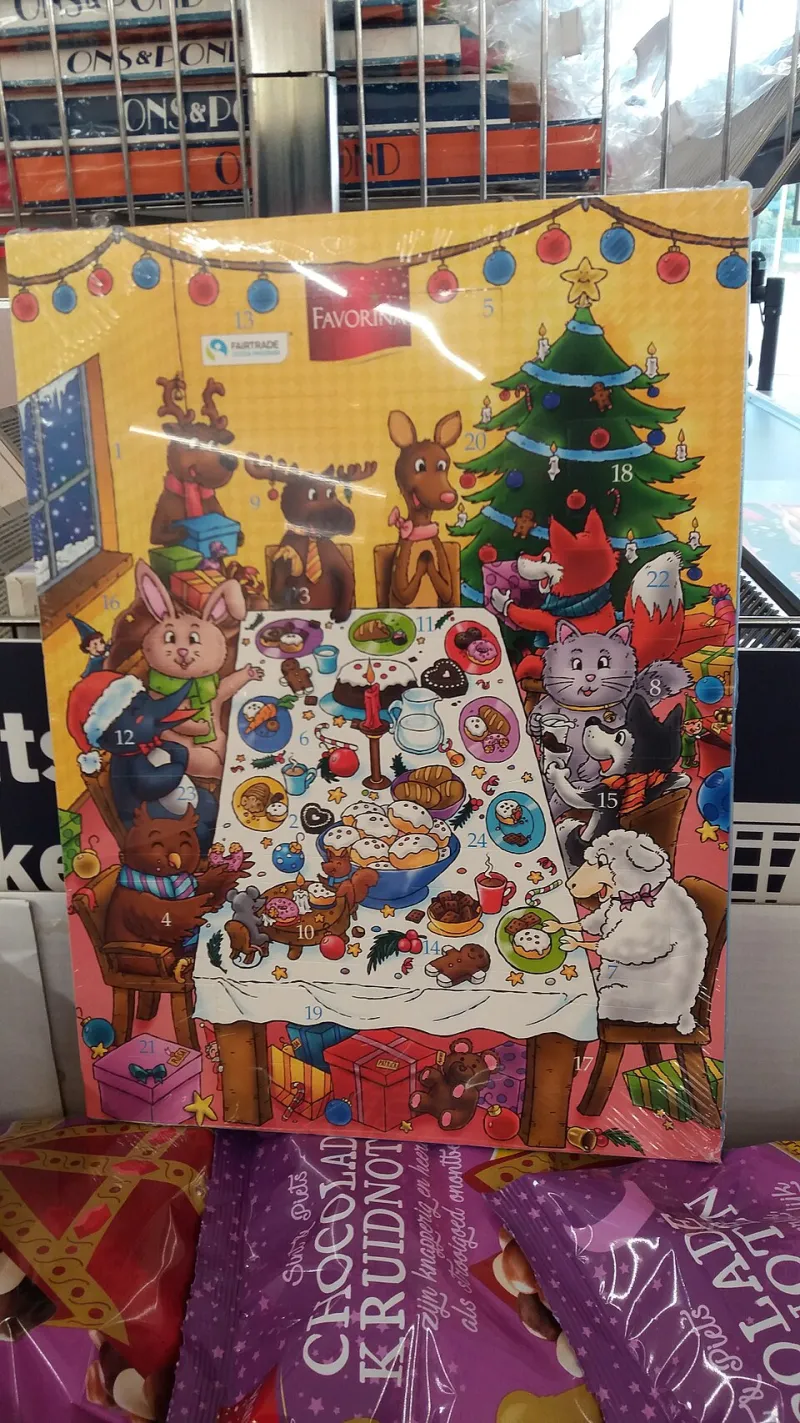
Photo: Hortensja Bukietowa, CC0, via Wikimedia Commons
It’s 13 November, and the shops have already gone full tinsel. Somewhere between the mince pies and the wrapping paper, there’s a wall of advent calendars: chocolate, beauty, gin, cheese, even protein. The chocolate one is the classic, though. A small door, a small treat, a tiny daily ritual that carries you from the start of December to Christmas Eve.
That ritual is lovely. It’s also a habit waiting to happen. Not because a daily chocolate is a problem in itself — it isn’t — but because December is already a month of small extras. The advent calendar can either be a contained, enjoyable moment or the first domino in a month of autopilot nibbling. The difference isn’t discipline. It’s a bit of design.
The calendar isn’t the problem; the autopilot is
Twenty-four small chocolates over twenty-four days won’t make or break anything. The issue is what the calendar teaches your brain: December means a daily treat. That’s fine if the daily treat is the calendar and nothing else. It’s less fine if the calendar chocolate becomes the opening act for the biscuit tin, the office Quality Street, and the “it’s Christmas” cheese board.
A daily treat can coexist with steady habits. It just needs to be a moment you notice, not a background action you perform while making tea, scrolling your phone, or wrangling a child into a coat. If you can’t remember eating it, it wasn’t a ritual. It was a reflex.
Three questions before you buy
Who is it actually for? If it’s for you, pick one you’ll genuinely look forward to. A calendar you’re excited about makes one chocolate feel like enough. A calendar you bought because it was the cheapest on the shelf often leads to eating the chocolate and then looking for something better.
How big is each door? Some adult calendars have surprisingly hefty chocolates. Size isn’t a moral issue, but it does affect satisfaction. A smaller, better-quality chocolate often feels more special than a large, mediocre one. You’re buying a moment, not a volume discount.
Is it a calendar or a countdown to a stash? If the calendar comes with a “bonus” box or a “collector’s tin” of extra chocolates, that’s not a daily ritual — it’s a supply. Keep the calendar as the whole thing. The 24 doors are the point.
Decide when the door opens
The biggest lever is timing. If the chocolate gets eaten at 7am while you’re hunting for matching socks, it’s not a moment; it’s a speed bump. If it gets eaten at 9pm in front of the TV, it can blur into the evening snack pattern. Try picking a time that feels like a pause: after lunch with a cup of tea, or after dinner as the actual dessert. The key is to eat it sitting down, without a screen, and actually notice it. That sounds precious for a tiny square of chocolate, but it takes about thirty seconds.
Keep it separate from the rest of the day
The calendar chocolate shouldn’t be the starter for something else. It’s not a reward for a workout, and it’s not a consolation for skipping one. It’s a small festive moment. If you find yourself thinking “I’ve had the calendar chocolate, so the day is ruined,” that’s the crash-diet voice talking. The opposite is just as unhelpful: “I’ve had the calendar chocolate, so I might as well have the whole tin.” Both treat the chocolate as a rule-breaker. It’s just chocolate. It doesn’t open a gate.
The office calendar trap
At work, there’s often a shared advent calendar in the kitchen. The rule is simple: one door per day, not one door per visit. If you have your own calendar at home and a shared one at work, decide which one is “yours.” You can enjoy both, but notice if the office one is becoming a background nibble. Maybe keep your home calendar as the ritual and treat the office one as a social thing — have it when someone else is having theirs, not on a solo kitchen raid.
Kids’ calendars and the morning negotiation
If you have children, the advent calendar is often a morning ritual. That’s fine. The trick is to keep it contained: one door, one chocolate, then breakfast. Not a negotiation. Not a bribe for hurrying up. The calendar is a little moment, not a behaviour-management tool. If you’re sharing a calendar with a child, decide together when the door gets opened. Predictability helps everyone.
What about the “healthy” calendars?
There’s a growing market for protein, low-sugar, and “wellness” advent calendars. They’re not necessary. If you like them, fine. But don’t buy a “healthy” calendar thinking it will magically change the habit. A daily treat is a daily treat. The point is the ritual, not the macro count. Choose the one you’ll actually look forward to, whether that’s a fancy dark chocolate or a basic milk chocolate Santa.
A 24-day experiment, not a rule
Try this for the first week: eat the calendar chocolate at a set time, sitting down. Notice whether it feels like a treat or a tick-box. If it feels like a tick-box, change the time or choose a different calendar next year. If it feels like a treat, keep going. The goal isn’t to be “good” in December. It’s to end the month feeling like you enjoyed it, not like you grazed through it.
The advent calendar is a lovely little ritual. Twenty-four doors, twenty-four small moments. Keep it that way. And if you miss a day? Eat two the next day or don’t. It’s not a contract. It’s chocolate.