Zero-Proof, Not Calorie-Free: Reading the Alcohol-Free Aisle Like a Grown-Up
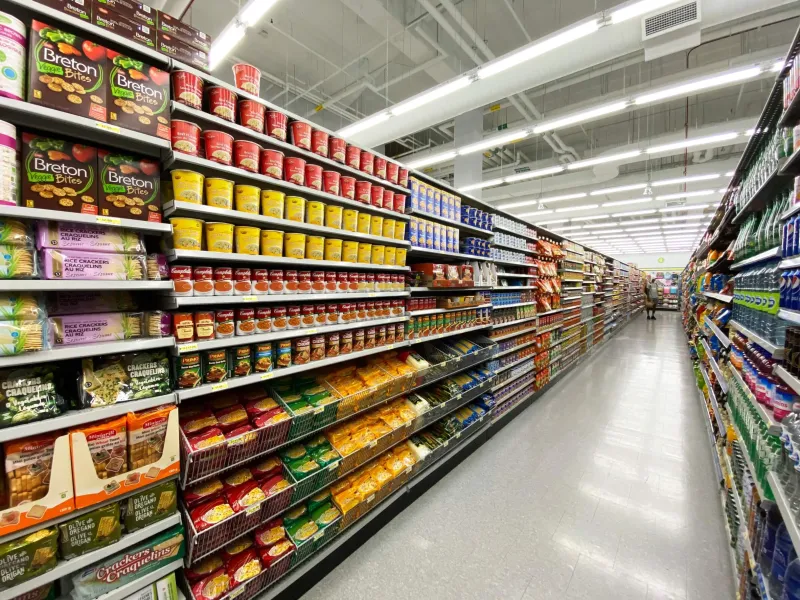
Photo: supermarket shelf alcohol-free beer and low-alcohol drinks UK party season, via www.macopkg.com
There's a particular moment in every November supermarket trip when the alcohol-free aisle starts to look like a wellness display. Rows of 0% lager, low-sugar cider and bottles with the word 'skinny' on them, all stacked up next to the Christmas multibuys. The message is clear: this is the sensible shelf. The reality is a bit more mixed.
None of these drinks are bad choices by default. A 0% beer can be a brilliant tool if you're driving, cutting back on units, or simply trying to get through a Thursday Christmas do without waking up feeling like you've swallowed a duvet. But alcohol-free is a statement about alcohol, not about calories, sugar or portion size. If you're trying to keep a trim plan alive through party season, it's worth knowing what you're actually picking up.
The comfort of a 0% label
Part of the appeal is psychological. A 0% bottle looks like a drink, tastes roughly like a drink and lets you stand in a pub garden without answering questions about why you're on the lime and soda. That's useful. It can take the edge off the 'I'm missing out' feeling that makes people order a pint they didn't really want.
But the label can also act like a permission slip. You see 0%, you assume low-calorie, and suddenly the bottle in your hand feels like water with a nice hat on. It isn't. Many alcohol-free beers sit somewhere between 50 and 100 calories per bottle, and some of the richer stouts and porters can push higher. A pint of 0% stout is not a calorie-free pint. It's a drink with the alcohol taken out, which is a different thing.
That doesn't make it a bad swap. It just means it still counts.
Where the calories actually live
Alcohol itself carries around seven calories per gram, which is why removing it can make a real difference. A standard pint of 4% beer might land around 180 to 220 calories. Swap it for a 0% version and you might save a decent chunk. Good news.
The catch is that alcohol-free drinks often lean on sugar or extra carbohydrates to make up for the missing booze. Sweet ciders are the obvious example. Some low-alcohol or 0% fruit ciders are pleasant precisely because they're sugary, and a 500ml bottle can carry a fair few teaspoons' worth. If it tastes like grown-up apple juice, treat it like grown-up apple juice.
'Skinny' spirits deserve a closer look too. The word isn't a regulated promise. Sometimes it means a lower-ABV spirit. Sometimes it means a spirit with less added sugar. Sometimes it's mostly marketing. A 25ml measure of regular gin is roughly 50 to 60 calories before the tonic, because the calories come from the alcohol. Choose a slimline tonic and you've got a genuinely light drink. Choose a full-sugar tonic and a big glass, and you've quietly built something closer to a soft drink with a kick.
The lesson isn't to avoid the shelf. It's to read the whole label, not just the headline.
When a 0% swap genuinely helps
The swap works best when it replaces something. If you'd normally have three pints on a Friday and you have two normal ones plus a 0% third, you've cut units and calories without feeling like you're sitting out. If you're driving, it's a no-brainer. If you genuinely like the taste of alcohol-free beer and it stops you opening the wine at 6pm on a Tuesday, that's a win.
It helps less when it's added on top. A 0% beer before the real drinks, a low-sugar cider alongside a glass of wine, a 'skinny' gin because it sounds virtuous and then a second one because it went down easily. That's not a swap; that's an extra round with better branding.
A simple question before you buy: is this replacing a drink, or joining one? If it's replacing, you're probably onto something. If it's joining, it still counts towards the day.
The dessert-in-disguise problem
Some alcohol-free drinks are essentially soft drinks in a beer bottle. That's fine if you fancy a soft drink. It's less fine if you're drinking them like water because the label says 0%.
Watch for the words 'fruit', 'berry', 'cider' and 'refreshing' on the same label. Watch for 500ml bottles and multi-packs that make it easy to have two without thinking. Watch for anything that coats your teeth. If it would be at home on a dessert menu, give it the same respect you'd give a pudding: sit down, enjoy it, and notice you've had it.
That's not about guilt. It's about honesty. A sweet 0% cider can be a lovely thing on a cold walk home. It just isn't a free pass because the alcohol has gone.
A simple shelf rule: job, size, sugar
If you want one practical rule for the alcohol-free aisle, try this: choose the drink for the job you want it to do.
If the job is thirst, go long and light. Sparkling water with lime, a small 0% lager, or a low-sugar cider in a smaller bottle. If the job is sipping, go for a spirit and slimline mixer in a tall glass with plenty of ice. If the job is a treat, have the nice thing, sit down with it and count it as the treat it is.
Then do the three-second label check. Look at the whole container, not just the 100ml column. Look at the sugar per 100ml. Look at the ABV, even on the low-alcohol stuff. A 500ml bottle of something sweet is a different proposition from a 330ml bottle of something dry. The shelf is designed to make the first one feel normal. Your job is to make it feel like a choice.
At the pub, at home, at the do
At the pub, ask for a half of the 0% rather than a pint if you're not sure you want the whole thing. Ask for the tonic in a separate can so you can control the pour. Don't be shy about ordering a lime and soda if that's what you actually want.
At home, don't keep a two-litre bottle of 'skinny' gin next to the sofa and call it a lifestyle. Pour a measure, add ice, add a slimline mixer, and put the bottle away. Same with the 0% beers: a glass, a seat, a bit of attention. It's amazing how much less you drink when you're not drinking out of a large container on autopilot.
And at the Christmas do, give yourself a break. The goal isn't to be the person doing calorie arithmetic by the buffet. The goal is to wake up on Saturday feeling reasonably human and not wondering where the week went. A 0% beer, a small cider or a gin and slimline can all fit into that. So can a proper drink. The trick is knowing which one you're choosing and why.
Party season doesn't need a perfect plan. It needs a calm one. The alcohol-free aisle can be part of that — as long as you read it like a label, not a promise.