The Yellow-Sticker Test: Shopping Reduced Food Without Filling the Snack Drawer
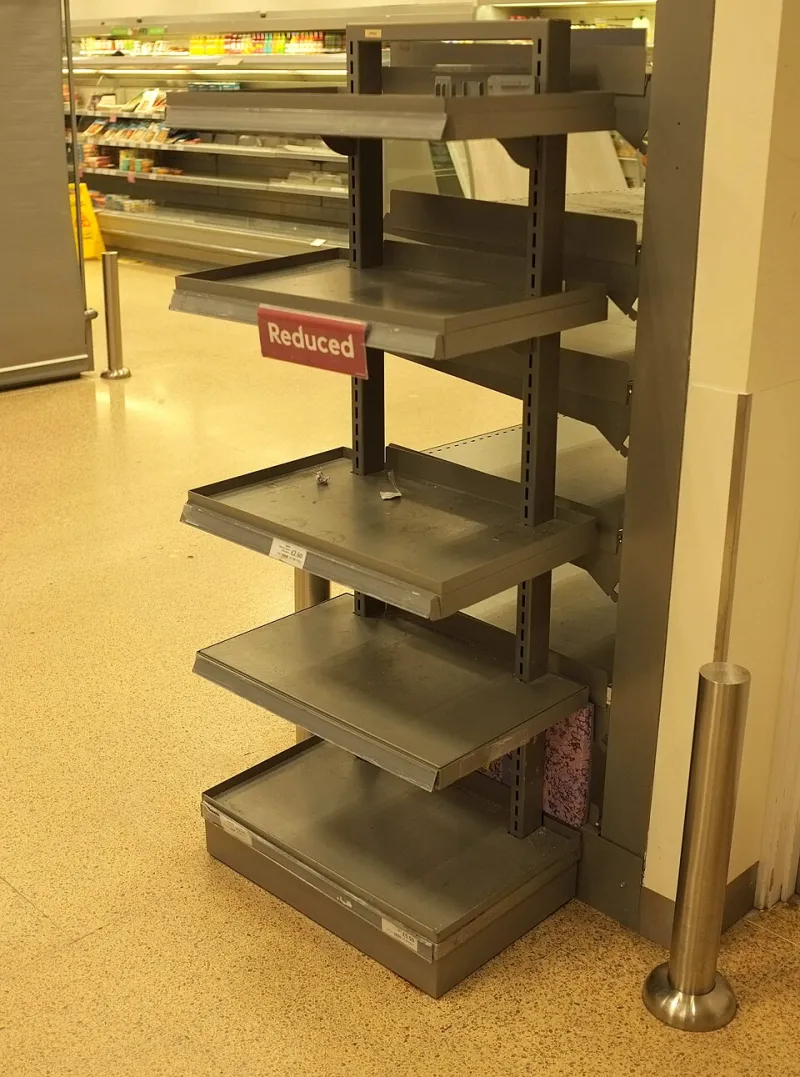
Photo: Derek Harper , CC BY-SA 2.0, via Wikimedia Commons
There is a particular sort of optimism that comes over people near the reduced shelf at 7pm. Everything is yellow-stickered, the supermarket is winding down, and suddenly a family-sized tub of coleslaw feels like a life hack. Sometimes it is. Sometimes it is just coleslaw with a countdown on it.
The reduced shelf is not the enemy of sensible eating, and it is not a test of willpower either. It is a small budgeting decision that works best when you apply the same question you would apply anywhere else in the shop: what is this actually going to become? If the answer is a vague shrug and a promise to deal with it later, the bargain is already losing its shine.
Start with the meal, not the sticker
The most useful habit with reduced food is to shop backwards from dinner. Instead of scanning for what is cheap and then building a plan around it, ask what you need for the next two or three meals and see whether the yellow stickers can help. A reduced pack of chicken thighs, a bag of peppers and a tub of yoghurt can all earn their place if they slot into meals you were already going to make. A random reduced quiche, a reduced trifle and a reduced bag of doughnuts are a different story. That is not a meal plan; that is a party you did not mean to host.
A simple filter helps: would I buy this at full price if it were on my list? If the answer is no, the discount is not really a saving. It is a nudge towards eating something you did not want, in a quantity you did not choose, at a time you did not plan.
The freezer is where the real bargains live
Reduced bread, rolls, bagels and pittas are usually sensible buys if you have freezer space. Slice, bag and freeze them the same day, and you have toast and sandwiches sorted for weeks. Reduced milk can be frozen too, though it is worth leaving a little room in the bottle for expansion. Reduced fruit that is a bit soft is fine for cooking, freezing for smoothies or stirring through porridge. Reduced vegetables can become soup, roasted trays or a freezer stash for later in the week.
Protein is often the best use of the reduced shelf, but only if you are realistic about timing. Fresh chicken, fish or mince can be cooked or frozen on the day you buy it. If the use-by date is today and you will not be home until late, either skip it or have a clear plan to freeze it immediately. A yellow sticker is not a licence to ignore food safety. Check the date, follow the storage instructions and use your nose and judgement.
When yellow means bakery permission slip
The bakery section is where many reduced-shelf trips go sideways. A pack of four reduced pastries is not a bargain if you only wanted one, and a cut-price loaf of something you do not love is just bread-shaped clutter. The same goes for big bags of crisps, family packs of biscuits and anything that lives in the snack drawer. Reduced does not mean portion-controlled. It does not even mean small. It means cheaper, and cheaper can still be an expensive habit if it changes what you eat.
A useful rule is one in, one out. If a reduced treat comes home, something similar leaves the cupboard or gets frozen for later. That keeps the snack drawer from becoming a permanent reduced-shelf museum.
False economies to leave on the shelf
Some reduced items are more trouble than they are worth. Prepared salads that are already wilting, sushi that needs eating immediately, big tubs of dip, and family desserts that will be picked at all evening are classic examples. They are not automatically bad choices, but they are easy to buy for the thrill of the sticker rather than because they fit the week. If the item needs a second shopping trip to make it work, or if it will sit in the fridge until it becomes a guilt project, let it go.
It is also worth comparing unit prices rather than just the yellow sticker. A reduced premium product can still cost more per portion than a full-price basic one. And a reduced multipack can still be more food than you need. The sticker tells you about the price, not the portion.
Four quick questions before you pick it up
- What meal will this become, and when?
- Can I freeze or portion it within the next hour?
- Does it replace something already on my list?
- Is the saving bigger than the risk of waste or overeating?
If you can answer those clearly, the reduced shelf is a genuinely good tool. If you cannot, it is fine to walk on. There will be other yellow stickers. There will not always be room in the freezer.
The goal is not to become the person who never buys a reduced doughnut. It is to become the person who buys the reduced doughnut on purpose, enjoys it, and still has a sensible dinner. That is a calmer way to shop, and a much easier way to keep trim efforts ticking along without turning every supermarket trip into a test.