The Trolley Doesn't Know It's Christmas: Shopping November's Festive Aisles for the Week You're Actually Having

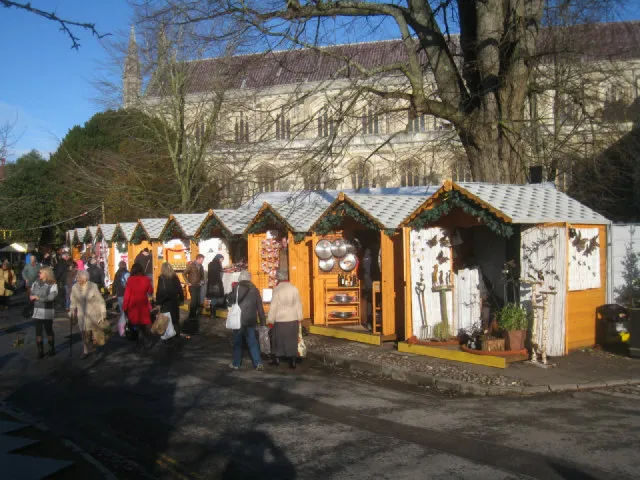
Photo: Anne Burgess , CC BY-SA 2.0, via Wikimedia Commons
Walk into any UK supermarket this week and you'll see the same quiet handover. Porridge oats on one side, tubs of chocolates on the other. Mince pies stacked where the back-to-school cereal used to be. Nothing has officially changed about your Tuesday, but the shop is already dressed for the big finish.
That's the trap. The Christmas aisle doesn't know what's in your diary. It doesn't know you've got a normal working week, a friend's birthday, a school run and maybe one festive do before December. It just knows that festive food sells when it looks like possibility. And possibility is very good at getting into the trolley.
The display is not a diary
Most of us don't buy Christmas food because we've checked the calendar. We buy it because the shop has created a mood and we've caught it. A box of biscuits goes in for 'when people come round'. A net of satsumas goes in because it looks wholesome next to the chocolate. A giant tub of something goes in because it's on offer and it's November, so it must be time.
Then mid-November carries on being mid-November. People don't come round. The biscuits get opened on a Wednesday. The tub becomes background noise in the cupboard. By the time the actual festive week arrives, you've either eaten the lot or you're sick of the sight of it.
That's not a willpower problem. It's a timing problem. Festive food bought for an imagined version of December often becomes everyday grazing in November.
Start with the calendar, not the aisle
Before you go near the seasonal display, do a very unglamorous thing: look at the next three weeks. What's actually happening? A works night out? A birthday? A quiet weekend? A visit from family? A day when you'll be out from morning to night and need something easy?
Now shop for those occasions, not for a vague idea of 'Christmas'. If you've got one festive lunch at the end of the month, buy for one festive lunch. If you've got people staying in December, that's a December shop. If you've got nothing on until the middle of December, your trolley can stay fairly ordinary.
This isn't about being joyless. It's about not asking a mid-November supermarket to plan your month for you. The shop is very good at selling abundance. It's less good at knowing that you're out on Friday and don't need a week's worth of cheese.
Give treats a budget, not a ban
A small treat budget works better than a strict no. Pick a rough number before you go in, or a rough shelf limit: one nice thing for this week, one thing for the freezer, one thing for the actual festive week if you know it's happening. Keep it loose. The point is that treats stay treats rather than becoming a second weekly shop.
It also helps to decide when the treat gets eaten. If the chocolate tub is for Christmas Eve, it doesn't need to be opened on 18 November just because it's there. If it's for a specific film night with someone, buy it closer to the film night. The shorter the gap between buying and using, the less time it has to become a habit.
Keep a waiting list
A waiting list is simply a note on your phone of things that can safely wait. Mince pies, festive biscuits, special cheese, a nice bottle of something, the fancy crisps. When you see them in November, add them to the list instead of the trolley. Then, when December actually starts, you've got a ready-made shopping list and you haven't spent six weeks walking past the same tub in your kitchen.
Some things do freeze well, and some don't. If you're buying for the freezer, label it and put it somewhere you'll see it. A tub buried behind the peas is not a plan. But most festive impulse buys don't need to be bought early at all. They need to be bought close to the occasion.
Shop occasion by occasion, not aisle by aisle
The Christmas aisle is designed to be browsed as a whole. You don't have to shop it that way. Go in with two or three real occasions in mind and pick for those. If you're hosting a small gathering, buy for that gathering. If you're visiting someone, buy a gift and a sharing item, not a trolley full of maybes. If it's just a normal week, let it be a normal week.
That might mean walking past the big display with a shorter list than the person behind you. That's fine. The display will still be there in December. So will the mince pies, the chocolates and the slightly alarming novelty biscuits.
The test at the till
Before you pay, ask one question: what am I buying this for? If the answer is a real occasion in the next week or two, keep it. If the answer is 'Christmas' in general, or 'it was on offer', or 'it looked nice', put it on the waiting list. You're not banning festive food. You're just refusing to let a mid-November display write your meal plan for you.
Christmas is a season, not a storage problem. Buy for the week you're actually having, keep the treats deliberate, and let the rest wait. Your December self will thank you for leaving something to look forward to.