Roast Dinner, Real Progress: A Smarter Sunday Plate That Still Feels Like Sunday
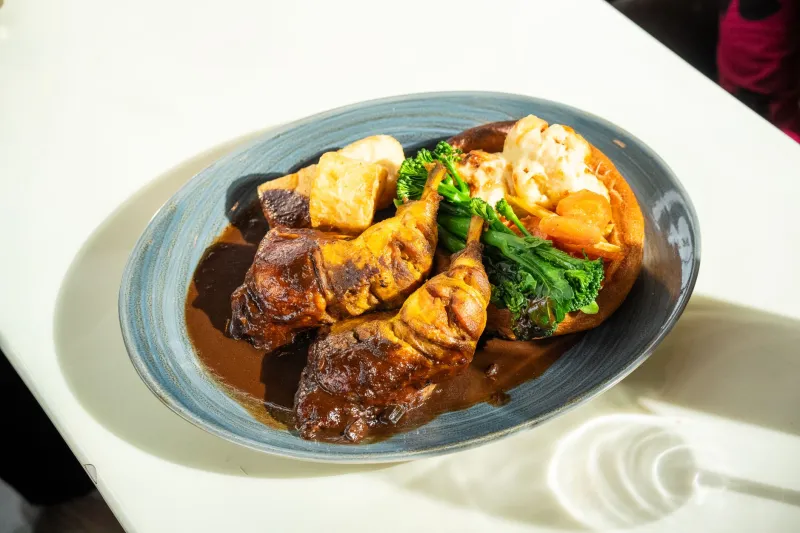
There are few meals more loaded with meaning than a British Sunday roast. It’s the big table, the good gravy, the roasties everyone fights over and the gentle slump afterwards. It is also the meal where plenty of people quietly decide they’ve “blown it” for the week — often before the crumble has even arrived.
That’s a shame, because one dinner does not undo weeks of sensible eating. The smarter move isn’t to serve yourself a sad plate of dry chicken and two green beans. It’s to enjoy the roast properly, with a bit of structure, and then carry on with your week without the guilt spiral.
Think of it as the 80/20 approach in real life: most of your meals can be fairly balanced, and the Sunday roast can still be a proper Sunday roast. You don’t need to count every roast potato. You just need a plate that gives you enough vegetables, enough protein and a sensible amount of the good stuff.
Start With the Plate, Not the Pan
A simple plate formula works better than trying to memorise calorie counts mid-carve. Aim for roughly half the plate filled with vegetables, a quarter with protein, and a quarter with carbohydrates. Then add gravy, sauces and the extras in a way that feels generous but not flooded.
In practice, that might mean a couple of slices of meat, a modest pile of roast potatoes, a Yorkshire pudding, plenty of greens, carrots and whatever else is on the table. It is not a diet plate. It is a plate with a bit of natural balance built in.
One useful trick is to serve the vegetables first. Put the greens, carrots, peas, red cabbage or roasted roots on your plate before the meat and potatoes. You’ll usually take more of them without thinking about it, and the plate still looks full and satisfying.
Meat: Portion by Palm, Not by Panic
Roast meat is expensive, so it’s easy to over-serve simply because it’s there. A decent guide is a palm-sized portion of cooked meat, roughly the thickness and size of your hand without fingers. For many people, that’s enough alongside everything else.
If you’re having chicken, go for a piece with the skin if you enjoy it — this isn’t about stripping the joy out of dinner. If you’re having beef or lamb, slice it rather than piling it up, and let the vegetables and sides do more of the work. The goal is to feel satisfied, not stuffed into a coma before the Queen’s speech repeat.
Roasties: Crispier, Not Countless
Roast potatoes are not the enemy. The issue is usually the sheer number that end up on the plate because they’re sitting in a big tray within arm’s reach. Decide on a portion before you sit down — perhaps four or five decent roasties — and then enjoy them properly.
If you’re cooking, you can also make the tray go further with carrots, parsnips, red onion and whole garlic cloves. They roast in the same tin, take on the flavour and add volume without turning the meal into a potato-only event. A mix of textures and colours makes the plate more interesting, which matters more than most people realise.
Three Smarter Side and Gravy Swaps
You don’t need to replace everything with cauliflower. Small swaps are enough.
1. Use a jug, not a flood. Gravy is essential, but it’s easy to pour half a pint over the plate without noticing. Make a tasty stock-forward gravy, skim any obvious fat if you like, and serve it in a small jug. Add two or three tablespoons rather than drowning the plate. You still get the flavour, and the vegetables don’t turn into soup.
2. Lighten the creamy sides without losing comfort. If you usually do creamed leeks, mash or cauliflower cheese, try a half-and-half approach. Mash half potato and half celeriac, or serve steamed greens with a little garlic and lemon alongside a smaller spoonful of the creamy version. You get the comforting element without the whole plate being built around butter and cream.
3. Give the extras a smaller role. Yorkshire puddings, stuffing and pigs in blankets are part of the fun, so pick the ones you actually love rather than having a bit of everything. One Yorkshire and one pig in a blanket, plus extra roasted vegetables, often feels just as celebratory. It’s not about deprivation; it’s about choosing the bits that are worth it.
The Leftovers Plan Matters More Than the Dinner
A lot of Sunday-roast progress is lost in the graze zone later that afternoon. You finish dinner, then pick at cold potatoes, crusts and leftover stuffing while clearing up. It’s rarely a conscious decision.
Try packing leftovers away before you sit down, or shortly after serving. Put them into containers for Monday lunch rather than leaving them on the side. Cold roast chicken, a few potatoes and plenty of vegetables can become a decent Monday salad or a quick traybake. Extra vegetables can go into soup. Bubble and squeak is a genuinely good use of leftovers, especially with a couple of eggs on top.
If you do fancy a little something later, make it a proper plate or a proper cup of tea rather than a series of invisible mouthfuls. Standing at the counter eating cold roasties doesn’t usually feel like a treat; it just feels like a blur.
Then Get On With Your Week
After the roast, the best thing you can do is not overcorrect. Don’t skip dinner, don’t promise to live on soup until Wednesday and don’t spend the evening mentally adding up every potato. Have a normal breakfast on Monday, get a walk in, and go back to your usual balanced meals.
A Sunday roast is not a test of willpower. It’s dinner. With a sensible plate formula, a few smarter swaps and a plan for the leftovers, you can enjoy the whole thing and still make steady progress. That’s not a compromise — it’s a way of eating that actually fits real British life.